How to Spot a Fake Job Offer: 9 Warning Signs
Nine warning signs of a fake job offer, a 10-minute way to check any offer, and what to do if you have already replied to a job scam.
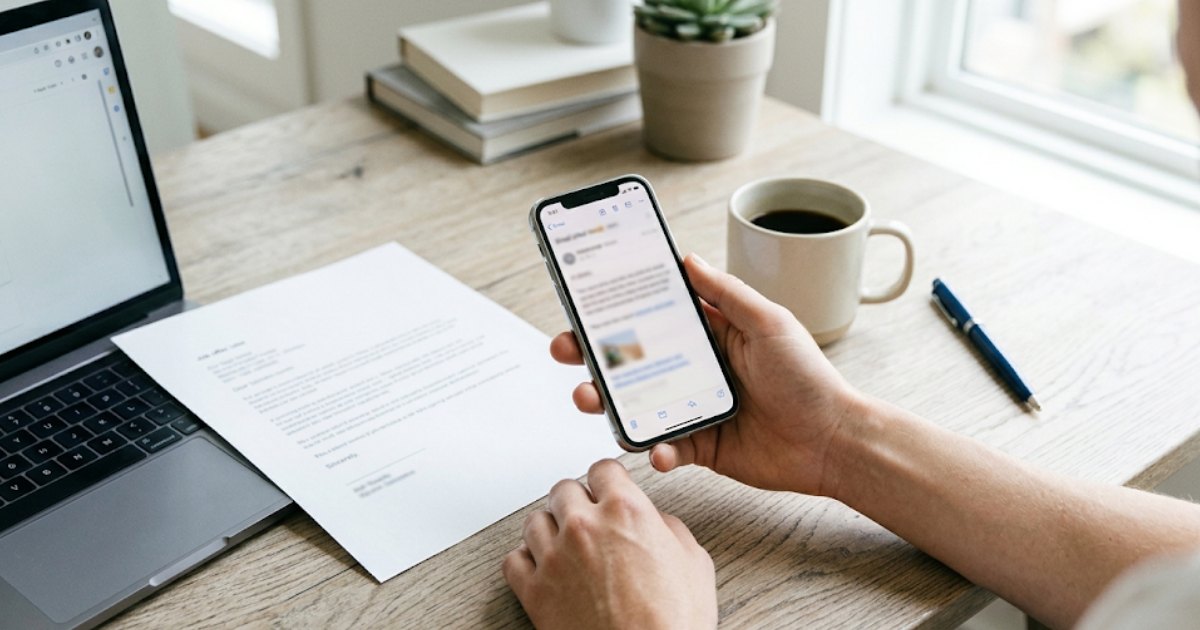
Scammers know that people looking for work are hopeful and often in a hurry. A fake job offer can cost you money, your identity documents or both. The good news is that most fakes share the same warning signs.
9 warning signs
- You are asked to pay. Fees for visas, training, equipment, “processing” or a medical test before you start are the clearest sign of a scam. Real employers do not charge you to hire you.
- You never applied. An offer that arrives out of nowhere, for a job you did not apply for, deserves suspicion.
- The pay is too good. A high salary for simple work with no experience needed is bait.
- No real interview. Being hired after a short text chat, with no video or in-person interview, is not how serious companies recruit.
- A free email address. A large company writing from a Gmail, Yahoo or Outlook address, or from a domain that is one letter different from the real one.
- Pressure to decide today. “Only two places left” or “reply within one hour” is designed to stop you checking.
- Early requests for sensitive details. Passport copies, bank details or ID numbers before there is a signed contract.
- Poor writing and vague duties. Spelling mistakes, a generic job title and no clear description of the work.
- Money moving through you. Being asked to receive money and forward it, or to buy gift cards, can involve you in a crime.
How to check an offer in 10 minutes
- Search the company name with the word “scam” or “fraud”.
- Find the company’s official website yourself and look for the vacancy on its careers page.
- Call or email the company using contact details from its website, not from the offer.
- Look up the recruiter on LinkedIn. Does the profile have a history and real connections?
- Check the sender’s email domain letter by letter.
If you have already replied
- Stop all contact and do not send more money or documents.
- If you paid, contact your bank or card provider straight away.
- Change passwords if you shared any login details.
- Report it to the job site where you saw the advert and to the consumer protection or police cybercrime service in your country.
The simple rule
A genuine employer pays you. If someone wants money, documents or a decision before a proper interview and a written contract, walk away.
Getting your application ready? Read how to write a clear CV.